Democrats Plot Aggressive Strategy Amid Looming Government Shutdown
about 1 year ago

0
0
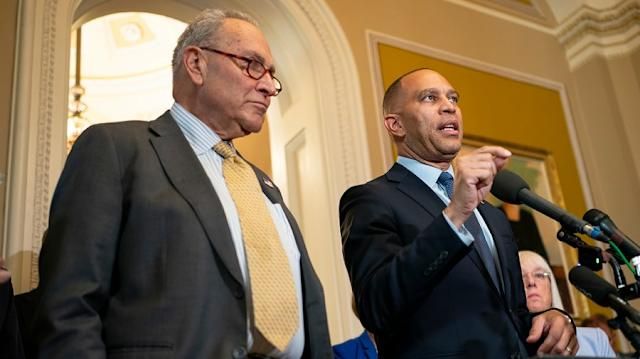
With the September 30th deadline fast approaching, House Democrats are reportedly solidifying a strategy to avert a government shutdown while pushing for significant policy concessions. This approach aims to navigate high-stakes negotiations and avoid the political gridlock that has characterized past funding battles.
As the specter of a government shutdown looms large, top House Democrats are banding together, reportedly coalescing around a strategy that seeks to both prevent a lapse in federal funding and advance their policy agenda. With less than two weeks remaining until the September 30th deadline, the stakes are high. Democrats are determined to avoid a repeat of the 2013 shutdown, which had a detrimental impact on the economy, costing an estimated $20 billion in GDP growth and resulting in at least $2 billion in lost work-hours. This time around, however, Democrats are not simply aiming for a status quo solution. They are reportedly united in demanding aggressive policy concessions as part of any spending deal. While some Democrats favor a traditional appropriations path, others are pushing for more ambitious policy demands, including provisions related to healthcare, social programs, and environmental protections. This debate within the Democratic caucus reflects the growing sentiment among some lawmakers that they must stand firm and secure meaningful legislative victories in spending negotiations. 'We're not going to be rolled,' one Democratic source told a publication. 'This time, we're going to fight for our priorities.' The White House has requested that Congress extend the funding deadline to January 31, 2026, to provide more time for negotiations. However, this move has been met with skepticism from some lawmakers, who are wary of further delays and potential pressure to make concessions. Adding to the complexity, some lawmakers express concerns about potential bipartisan deals that could be struck to avert a shutdown. There are anxieties that these deals could result in compromises that dilute Democratic priorities and fail to adequately address the needs of the American people. House and Senate Democratic leaders last week requested meetings with their Republican counterparts to discuss government funding for the fiscal year 2026, setting the stage for what promises to be a tense and consequential series of negotiations.
More like this
Tags
#Politics#Democrats#Government Funding#Shutdown#Republicans#Budget