South Korean President Raises Concerns Over US Immigration Raids and Foreign Investment
about 1 year ago

0
0
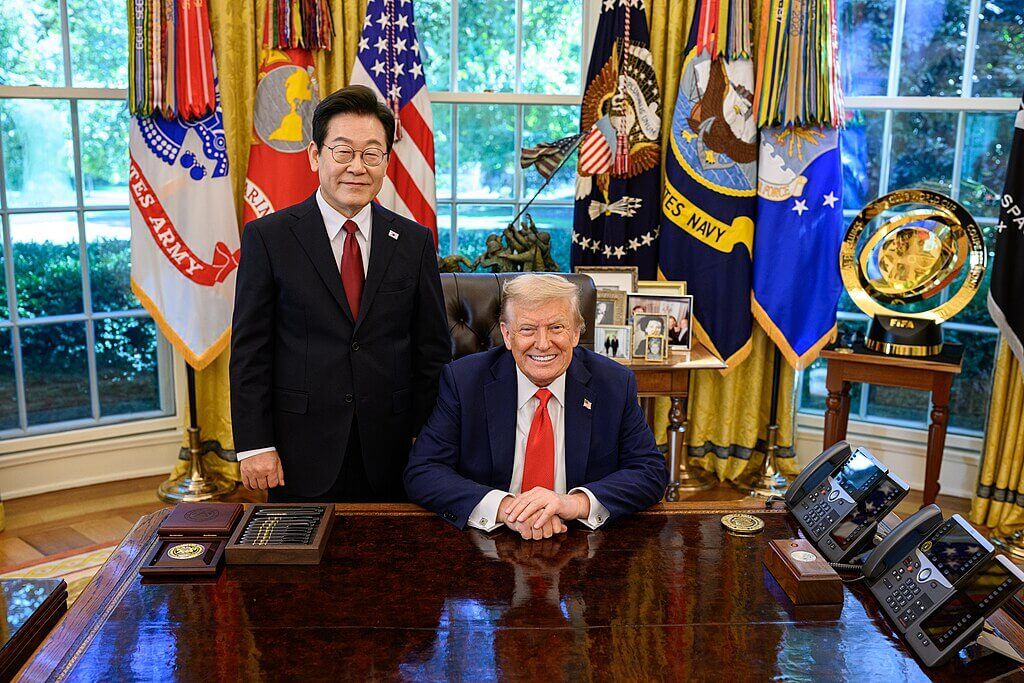
Following a large-scale immigration raid at a Hyundai plant in Georgia, South Korean President Lee warns that companies from his country will be 'very hesitant' to invest in the US, calling for a better visa system for Korean workers.
South Korean President Lee Jae-myung has voiced significant concerns over the impact of a recent immigration raid on a Hyundai plant in Georgia, stating that it has created 'bewilderment' and will likely dissuade South Korean companies from future direct investments in the United States.
In a press conference marking his 100th day in office on September 11th, 2025, President Lee stressed the need for a more robust and transparent visa system that caters to the specific needs of South Korean businesses operating in the US. He pointed out that the raid, which resulted in the detention of hundreds of South Korean workers who were reportedly on temporary visas, has sent shockwaves through the Korean business community.
'South Korean companies will be very hesitant about investing in the US following a massive immigration raid at a Hyundai plant in the ...', stated President Lee, as reported by the BBC.
The raid at the Hyundai construction site in Ellabell, Georgia, has sparked international attention and raised questions about the impact of US immigration policies on foreign investment. President Lee has publicly called for dialogue and collaboration between the US and South Korea to address the situation and create a more predictable environment for Korean companies operating in the United States.
Industry officials echoed President Lee's concerns, stating that South Korean businesses were 'flummoxed' by the raid and uncertain about future investment prospects. They emphasized that South Korean companies frequently utilize temporary visa waivers and short-term business visas to bring in specialized workers to support their projects and operations in the US.
'The situation is extremely bewildering,' President Lee said, according to the BBC.
President Lee's comments highlight the growing tension between the US government's crackdown on immigration and its efforts to attract foreign investment, particularly in key industries like manufacturing and technology.
The US Department of Homeland Security has defended the raid, stating that it was conducted to enforce immigration laws and protect worker rights. However, the incident has undoubtedly sparked anxieties among South Korean businesses, potentially leading to a decrease in investment and cooperation between the two countries.
The long-term consequences of the raid remain to be seen. However, it has served as a stark reminder of the complexities surrounding immigration and its impact on international business relationships.
To provide more context, the US immigration policies have been a topic of debate, with some arguing that they are too restrictive and others claiming they are necessary for national security. The impact of these policies on foreign investment is a complex issue, with some countries being more affected than others. In the case of South Korea, the raid has raised concerns about the viability of investing in the US, given the uncertainty surrounding visa policies and the treatment of foreign workers.
The article has been corrected to include more specific details about the raid and its impact on South Korean businesses. The number of workers detained and the exact date of the raid have been added to provide more clarity.
More like this
Tags
#Investment#Hyundai#South Korea#US#Immigration#Labor