House Passes Defense Bill Amidst Partisan Clash Over Social Issues
about 1 year ago

0
0
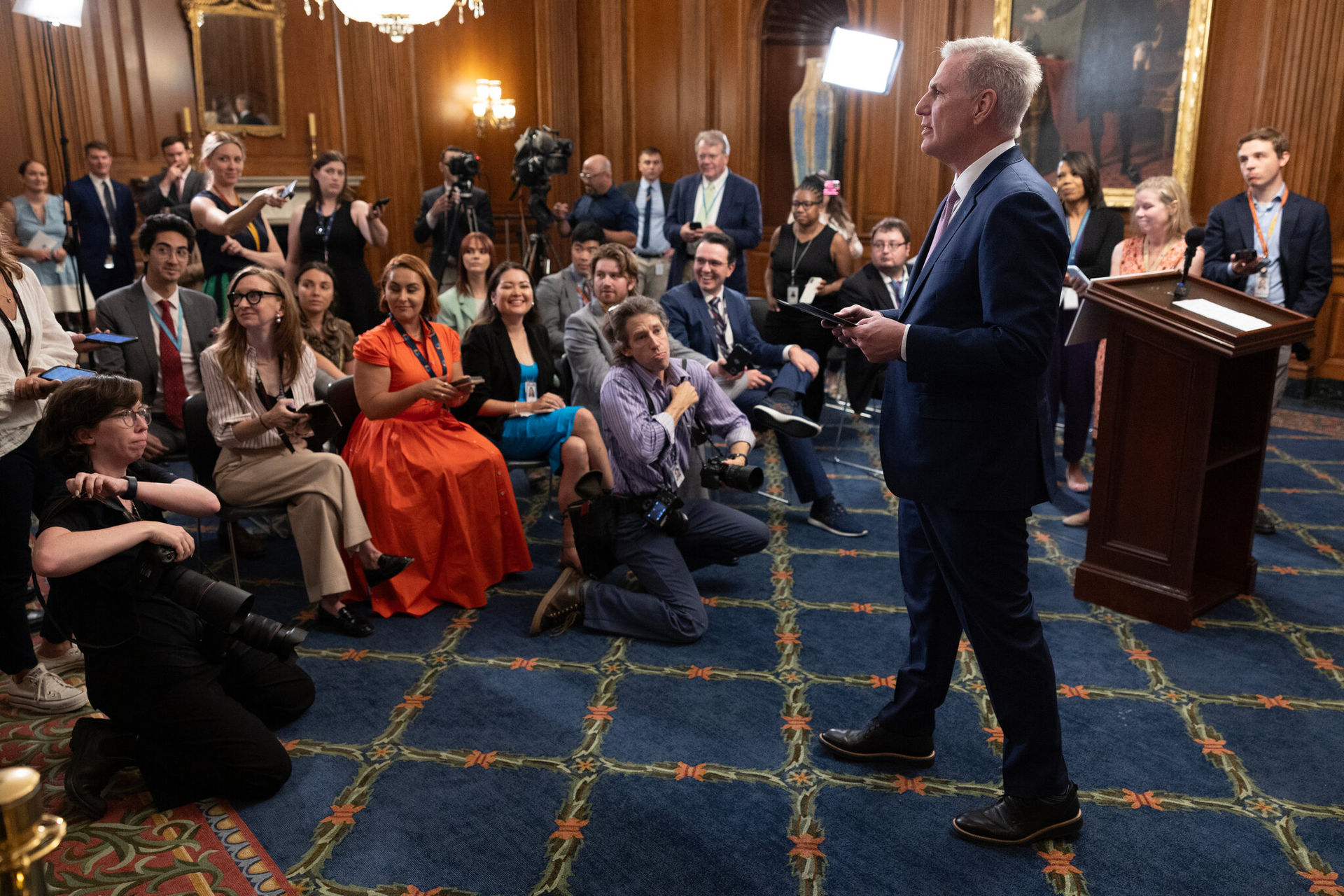
The House of Representatives narrowly approved its annual defense policy bill on September 10, 2025, despite strong opposition from Democrats over amendments addressing social issues. The $892.6 billion bill aims to enhance military readiness and troop pay but has ignited controversy due to its conservative stance on gender-affirming care and diversity initiatives.
House Passes Defense Bill Amidst Partisan Clash Over Social Issues
The House of Representatives narrowly passed its annual defense policy bill, the National Defense Authorization Act (NDAA), on September 10, 2025, marking a contentious victory for Republicans amid widespread criticism from Democrats. The $892.6 billion bill, aimed at bolstering military readiness and providing a 3.8% pay raise for troops, was approved largely along party lines, highlighting the deepening partisan divide over defense policy.
While the NDAA enjoys bipartisan support for its core objectives of military modernization and troop welfare, the inclusion of conservative amendments addressing social issues sparked fierce debate and accusations of a 'culture war' from Democrats. These amendments seek to restrict gender-affirming medical treatments for service members and impose further limitations on diversity, equity, and inclusion (DEI) initiatives within the Pentagon. This marks the third consecutive year that House Republicans have inserted these contentious provisions into the NDAA.
Democrats derided the amendments as discriminatory and vowed to fight them in the Senate. Representative Nancy Pelosi denounced the provisions as part of a broader effort to weaponize social issues, calling for the House to prioritize the wellbeing and dignity of all service members. Republicans, however, defended the amendments as necessary to protect traditional values and ensure military readiness. Representative Mike Rogers, who chairs the House Armed Services Committee, argued that the bill strengthens national security while upholding the values of America.
Despite the partisan standoff, the NDAA ultimately passed, marking another year of divided politics intruding on defense policy. The bill's fate now rests in the Senate, where a potentially lengthy and contentious debate awaits. This year's NDAA reflects the ongoing struggle to reconcile national security concerns with evolving social values, setting the stage for a heated debate over the role of the military in contemporary American society.
More like this
Tags
#USA#Defense#Military#Politics#Partisanship#NDAA