Democrats Craft Strategy to Avert Shutdown, Seek Policy Gains
about 1 year ago

0
0
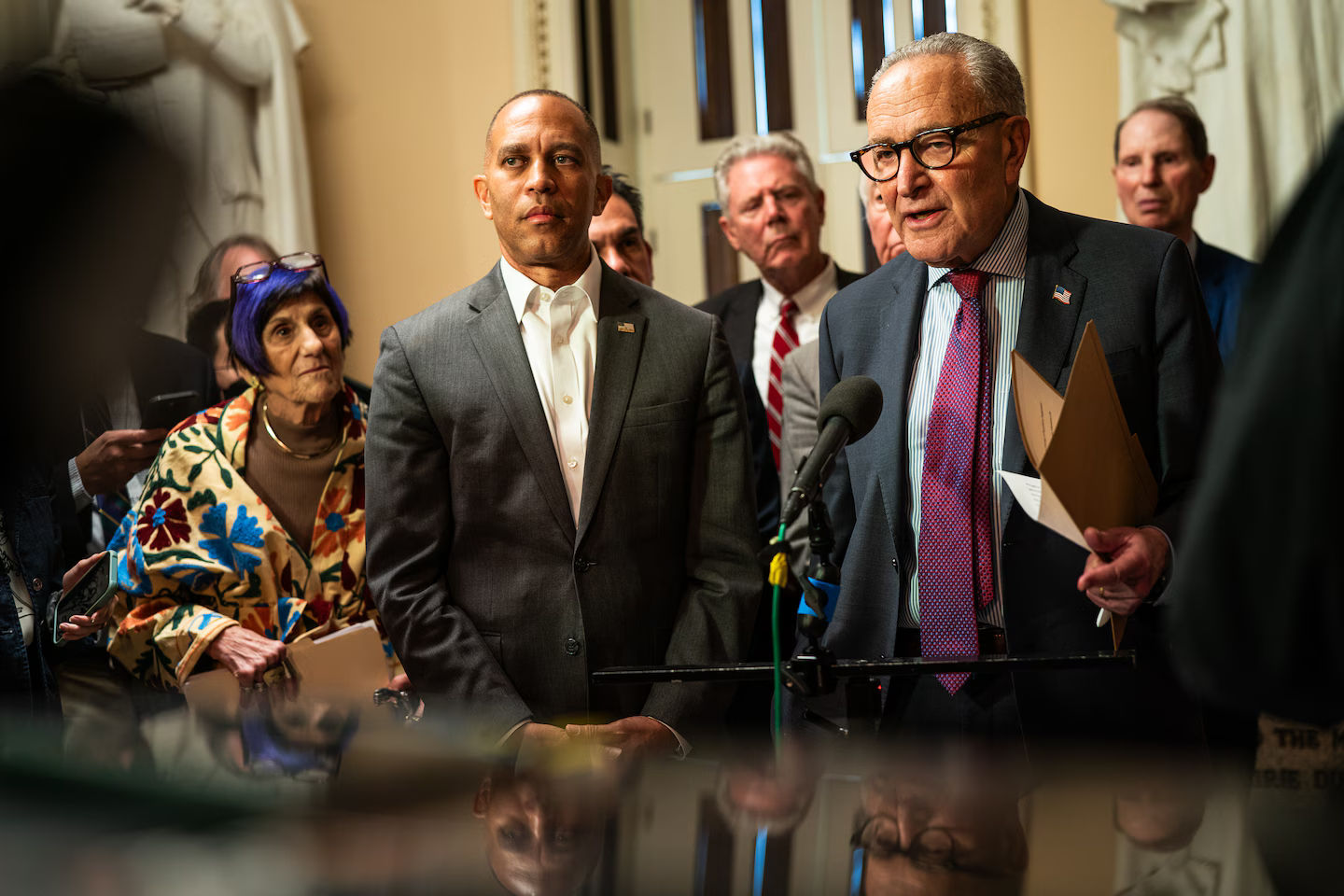
As the September 30, 2025 deadline for government funding looms, Democratic leaders are developing a strategy to prevent a shutdown, potentially through aggressive policy demands. This approach reflects their history of navigating contentious funding battles and the current political climate characterized by partisan tensions.
Democrats Craft Strategy to Avert Shutdown, Seek Policy Gains
The clock is ticking on U.S. government funding, with September 30 fast approaching. Amidst this uncertainty, top House Democrats are reportedly crafting a strategy to avoid a shutdown, signaling a potentially aggressive approach to negotiations.
Sources close to Democratic leadership indicate that the strategy will prioritize avoiding a repeat of the past's contentious funding battles. This echoes their actions in March 2025, when Democrats navigated a complicated funding landscape, ultimately preventing a shutdown.
However, this time around, Democrats are also signaling their intent to push for policy gains within the funding package. This strategic move speaks to the current political climate, where partisan tensions abound, and finding common ground on legislative priorities is proving challenging.
Adding fuel to the fire is the ongoing debate surrounding the federal debt, which stands at a staggering $37.25 trillion and continues to rise. This economic backdrop further complicates negotiations, as both parties grapple with budgetary constraints and competing priorities.
The White House, meanwhile, has expressed its preference for extending funding through January 31, 2025, as a way to smooth the path and avert a shutdown. However, whether this approach will gain traction in Congress remains to be seen.
Senate Majority Leader Chuck Schumer recently accused former President Trump of injecting himself into the funding debate, fueling partisan divisions and adding another layer of complexity.
One House Republican has called for bipartisan discussions ahead of the September 30 deadline, stressing the need for cooperation amidst escalating tensions.
The coming weeks will be crucial as lawmakers from both parties navigate these complex issues and attempt to reach a resolution that avoids jeopardizing essential government services.
More like this
Tags
#Democrats#Government Funding#Shutdown#Republicans#Budget#Elections